What should a Yorkshire business do first?
Search for your own services the way a customer would, with the town after them, and write down what comes up. Do it for every service you want more of and every town you want it from, on a phone, signed out of Google. Ten minutes of this tells you more than most audits: who ranks, whether they have a page built for that exact search, and whether you appear at all.
Then open Google Search Console, which is free, and look at the queries your site already shows for. There is usually a surprise in there: a service you have never written a page for, sitting on page two because Google half believes you do it. A page built for that search is the cheapest gain going.
Which searches are worth going after?
The ones with a buyer behind them, which nearly always means a service and a place together. Commercial electrician Wakefield. Loft conversion Harrogate. Brickwork contractor Yorkshire. Somebody typing those is choosing a supplier this month, and there are fewer of them than you might think, which is fine, because you only need a handful.
The county term is the trap. Yorkshire on its own gets far more searches than any town, so it looks like the prize, but a good share of those searches are students, job hunters and people who want a map, and the firms already ranking for it have been building links for a decade. Thirty searches a month in Halifax, where you can win, are worth more than three thousand across Yorkshire, where you cannot yet.
Write the list down, with the town, and rank it by what a job is worth. That list is your plan.
Does the website need fixing before anything else?
Usually something does, and it is worth finding out before you spend on content. Google has to be able to reach every page, the site has to load quickly on a phone (which is where most local searches happen), and each service you want work from needs a page of its own with a title that says what it is. Those three cover most of the technical problems we find on Yorkshire business sites.
A checklist worth running before anything else:
- Every page indexed: search site:yourdomain.co.uk and count them
- One page per service, and one per town you genuinely serve
- Page titles that name the service and the place as well as the company
- Loads in under three seconds on a phone, tested on mobile data
- A phone number and a form reachable without scrolling far
- No pages saying the same thing with a town name swapped
What does good content look like for a Yorkshire firm?
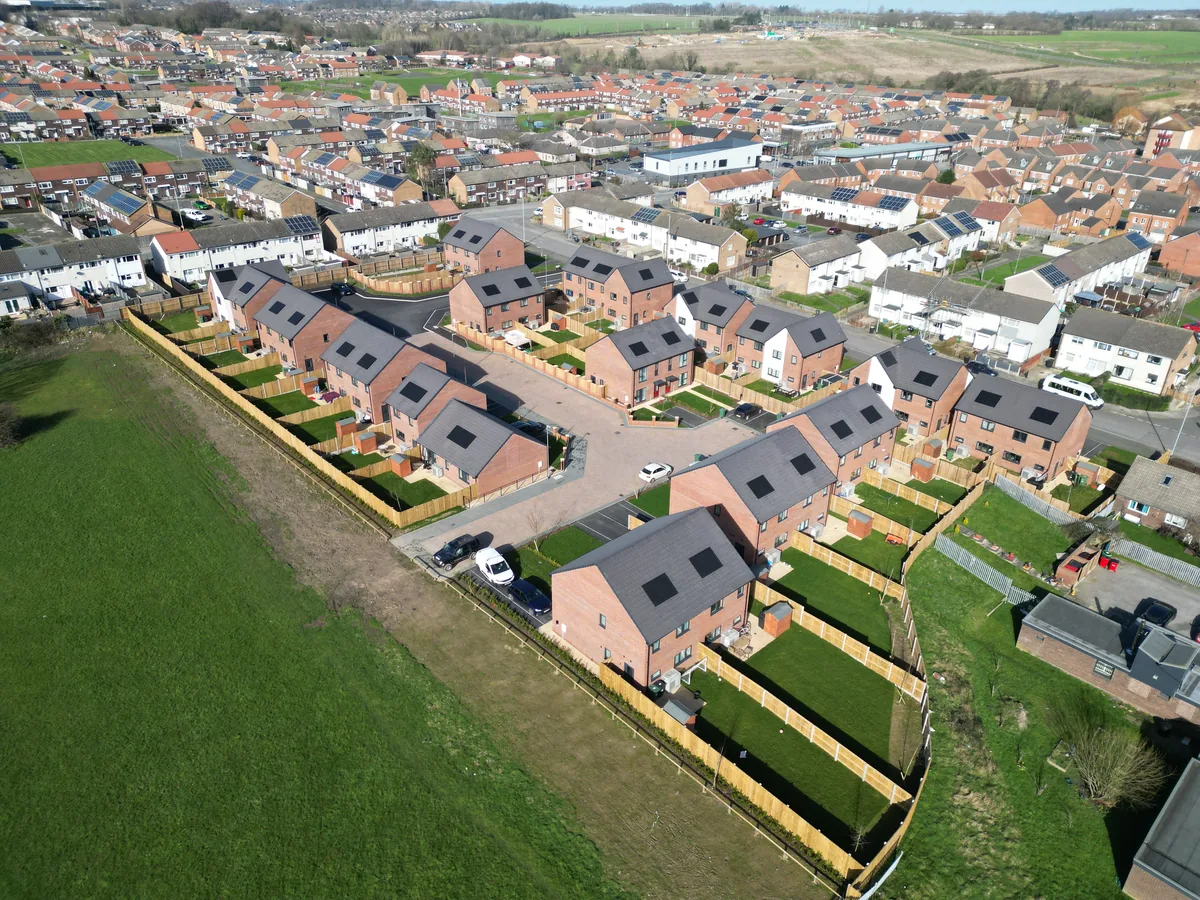
A page that could only have been written by you. It names the service in the words customers use, says which towns you cover and why, shows jobs you have actually done there, and answers the questions that come up on the phone: how long, how much, what happens first. Bond Brickwork’s site works because the developments are named and photographed, Swarcliffe in Leeds among them, so a housebuilder searching for a brickwork contractor sees exactly the kind of site they are trying to fill.
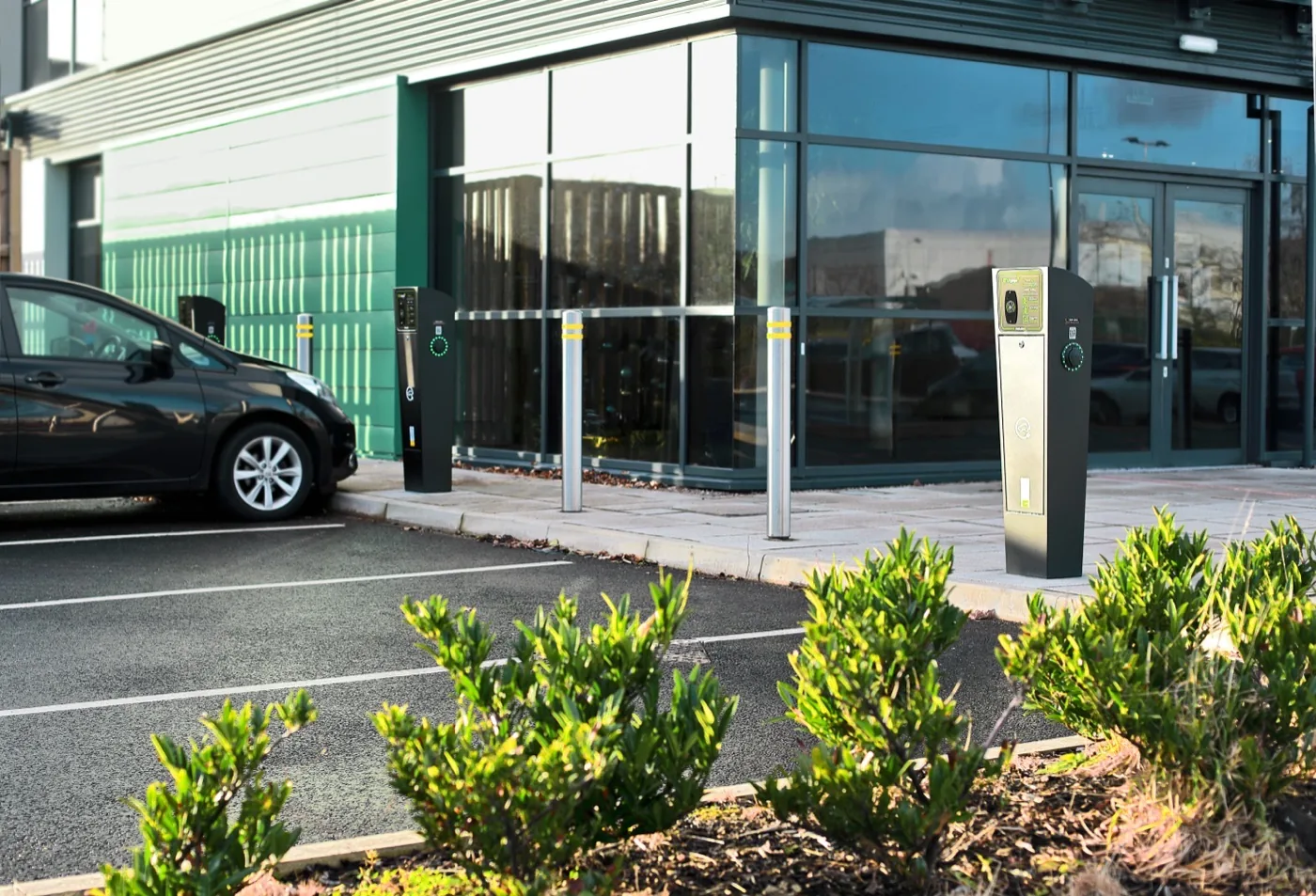
Length matters less than specificity. Four hundred honest words about your EV charger installations in Halifax beat two thousand vague ones about electrical excellence, and both Google and the AI answers now reward the specific page.
How long does SEO take in Yorkshire?
A few months before the trend is clear, and the town decides most of it. Leeds and Sheffield service terms are contested by firms and agencies with years of links behind them, and moving there is slow, steady work. Skipton, Keighley, Brighouse and a fair few of the smaller towns have terms that nobody has built a proper page for, and a well-made page can be on the first page within weeks of Google indexing it.
Knowing which of those you are facing before you set a budget saves a year of disappointment.
How do you know it is working?
Count the enquiries, and know which search produced them. Positions move about, and they are easy to report and hard to bank; the number that matters is calls and forms, tracked back to the page and the query. RB Electrical in Halifax has averaged around two organic leads a week for five years, which is the measure we hold the work to, and roughly a 5:1 return on what it has cost them.
If nobody can tell you that number for your site, that is where to start.